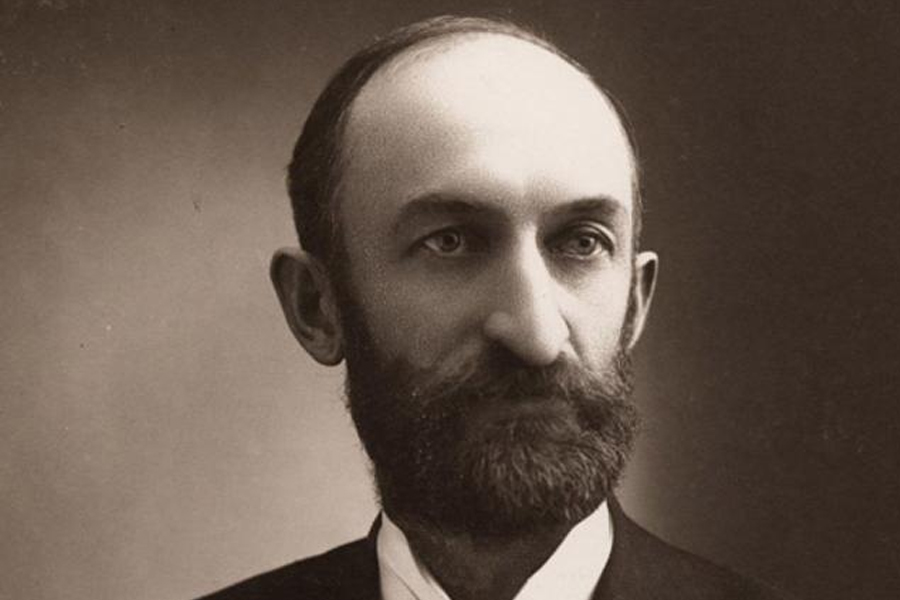
Basic information
| Item | Details |
|---|---|
| Full name | Heber J. Grant |
| Born | 22 November 1856 |
| Birthplace | Salt Lake City, Utah |
| Died | 14 May 1945 |
| Deathplace | Salt Lake City, Utah |
| Main roles | Businessman, apostle, church president |
| Church leadership | Seventh president of The Church of Jesus Christ of Latter-day Saints |
| Presidency years | 1918 to 1945 |
| Parents | Jedediah Morgan Grant and Rachel Ridgeway Ivins |
| Wives | Lucy Stringham, Hulda Augusta Winters, Emily Harris Wells |
| Children | 12 |
| Known for | Financial discipline, temple building, welfare work, firm leadership |
A life shaped by loss, faith, and discipline
I think pressure built Heber J. Grant. He was born in Salt Lake City on November 22, 1856, but his father, Jedediah Morgan Grant, died before he met him. He died nine days after Heber’s birth. His life is shadowed by that early bereavement. This explains why Heber became so dedicated to duty, thrift, endurance, and spiritual order.
Rachel Ridgeway Ivins, his mother, shaped his upbringing. She did more than raise him. She formed him. Often, she shaped his character. Their relationship was unusually close as her only child. Heber was tender and strong because of that intimacy. He was raised to treat life like a fire that needed steady hands.
Heber assumed responsibility swiftly as a youngster and young man. It wasn’t his nature to drift. He seemed to gravitate toward labor. He was 15 and a bookkeeper. By 19, he owned the firm and operated it. That pattern persisted for decades. He started early, worked hard, and expected results.
His family circle was large, layered, and deeply tied to his identity
Heber J. Grant’s family life was complex, and I think that complexity matters. He lived in a world where kinship, religion, and leadership all overlapped. His father, Jedediah Morgan Grant, had been a major early Latter-day Saint figure, and his grandfather line reached back through Joshua Grant and beyond. On his mother’s side, the Ivins and Ridgeway lines added another set of roots and responsibilities. He was not a man who stood alone. He came from a web.
He married three women: Lucy Stringham in 1877, Hulda Augusta Winters in 1884, and Emily Harris Wells in 1884. Those marriages were part of the plural marriage system of the period and were central to his domestic life. Together they gave him 12 children, 10 daughters and 2 sons. The children formed a wide family tree that continued long after his death.
By Lucy Stringham, his children included Susan Rachel Grant, Lucy Grant, Florence Grant, Edith Grant, Anna Grant, and Heber Stringham Grant. By Hulda Augusta Winters, he had Mary Grant. By Emily Harris Wells, he had Martha Deseret Grant, Grace Grant, Daniel Wells Grant, Emily Grant, and Frances Marion Grant.
These names matter because they are not just entries in a genealogy chart. They represent households, dinner tables, hopes, discipline, and grief. They represent the private world behind the public figure. Heber was a father inside a large and branching family, and that family became part of his public image as well.
One of the most recognizable family links is through his daughter Frances Marion Grant, who became the mother of Robert F. Bennett. That line helped carry the Grant name into later political and civic life. Another important family presence is Lucy Grant Cannon, another daughter who preserved memories of him as a father and leader. Even generations later, the family continued to unfold outward like rings in a tree trunk, each ring marked by a different era but still connected to the same center.
Business, church office, and public influence
Heber J. Grant was not only a church president. He was also a businessman who understood money, risk, and survival. That matters because his church leadership was deeply shaped by his economic instincts. He worked in insurance, founded Grant Brothers’ Livery, engaged in banking and investment activity, and helped stabilize the church in difficult financial times. He was the kind of leader who knew that ideals still need ledgers.
His church career rose steadily. He became a seventy in 1871, was ordained an apostle in 1882, and later served as president of the Quorum of the Twelve. In 1918, he became president of the church and served until his death in 1945. That span of nearly 27 years gave him one of the longest presidencies in church history.
He was known for pushing practical religion. He emphasized the Word of Wisdom, not as a suggestion floating in the air, but as a standard tied to temple worthiness and moral seriousness. He also supported the building and dedication of major temples, including those in Laie, Cardston, and Mesa. These were not just buildings. They were symbols of permanence, like stone declarations that faith had taken root in the landscape.
He also helped shape the church’s welfare efforts. In 1936, during the hard pressures of economic instability, the welfare program emerged under his leadership. That fits his style perfectly. He believed in helping people, but he also believed in order, effort, and self-reliance. He was not sentimental. He was sturdy.
The man behind the office
My view of Heber J. Grant is not warm and easy. He looks like a rocky ridge, not a meadow. But that’s what makes him special. He was disciplined in speech, business, and faith. He anticipated sacrifice. He anticipated work. He intended people to create stronger lives stone by stone like masons.
He lived long enough to witness massive change. He saw the church mature from pioneer struggle. He recognized radio and other modern technology in church communication. He witnessed war, depression, and social change. He stressed debt avoidance, work, obedience, and loyalty throughout.
His personal life was sad too. In 1893, Lucy Stringham died. In 1908, Emily Harris Wells died. Those losses certainly increased his awareness of life’s fragility. He learned that as an infant when his father died. Grief was familiar to him by old age. It had become his furniture.
Legacy across generations
Heber J. Grant died on 14 May 1945 in Salt Lake City, but his legacy did not stop there. It continued through his teachings, his children, and the institutional structures he helped strengthen. He left behind not just a record of leadership but a style of leadership. It was direct, principled, and practical. It was the kind of leadership that turns belief into a schedule, a policy, and a building.
His family legacy is equally important. The names of his children and descendants show how one life can branch outward into many futures. Lucy Grant Cannon, Frances Marion Grant, Robert F. Bennett, and later generations all carried pieces of that story. In that sense, Heber J. Grant was not only a president of the church. He was also the center of a family constellation that kept shining long after his own light went out.
FAQ
Who was Heber J. Grant?
Heber J. Grant was a Latter-day Saint church leader, businessman, and the seventh president of The Church of Jesus Christ of Latter-day Saints. He was born in 1856 and led the church from 1918 until 1945.
Who were Heber J. Grant’s parents?
His parents were Jedediah Morgan Grant and Rachel Ridgeway Ivins. His father died shortly after his birth, and his mother became the strongest influence in his early life.
How many children did Heber J. Grant have?
He had 12 children, including 10 daughters and 2 sons.
Who were Heber J. Grant’s wives?
He married Lucy Stringham, Hulda Augusta Winters, and Emily Harris Wells.
What was Heber J. Grant known for?
He was known for his business skill, his long church presidency, his emphasis on financial discipline, his support for temple building, and his role in advancing the church welfare program.
What made his leadership style distinctive?
His leadership style was practical, firm, and highly disciplined. He often focused on obedience, self-reliance, and steady moral behavior, much like a craftsman shaping raw material into something enduring.